Author: Tom
-
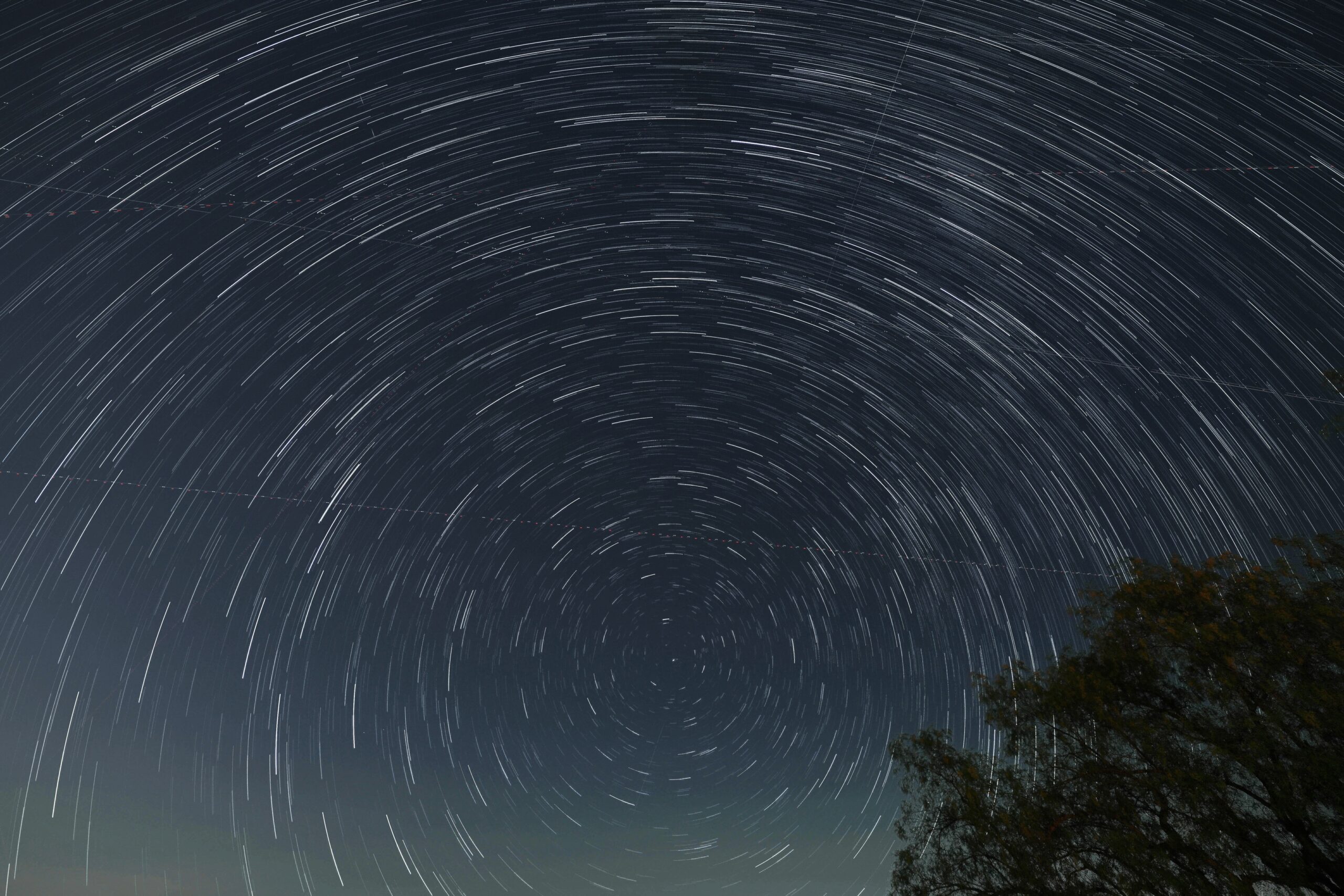
Star Trails – First Attempt
The following is my first ever star trails photo. This was from a sequence of 230 shots, each 10 seconds long. ISO was 200. Used the Sigma 14mm. A reference image was created in Lightroom, then the remaining images synchronized to the reference. All images were then exported into a folder for processing into star…
-
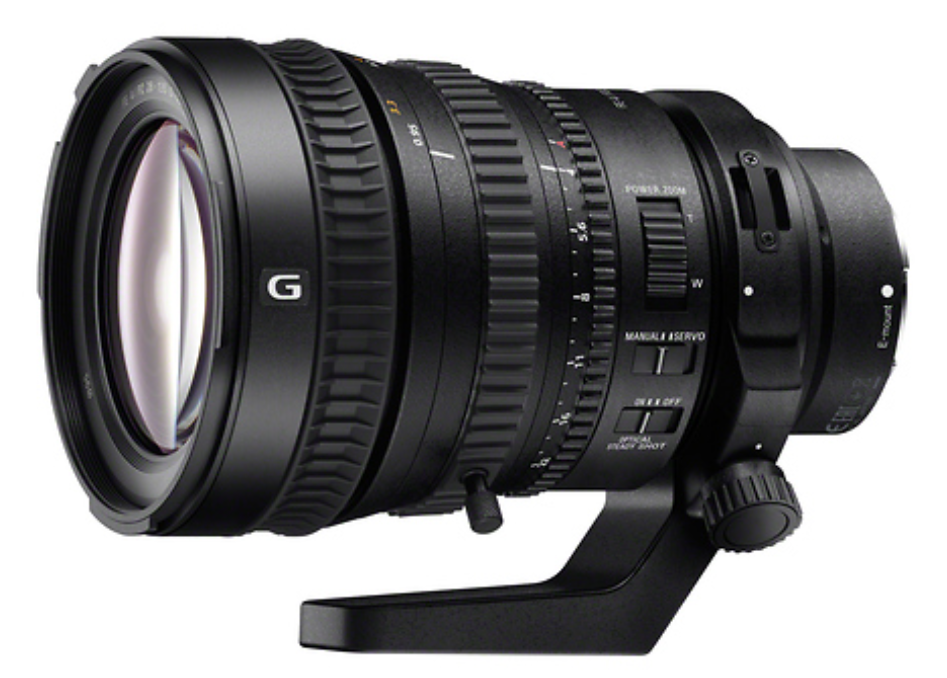
Lens List
The following are my lenses with details. The designations are taken from the lens itself. ABOVE: Sony FE 4 / PZ 28-135 G OSS. This is for video primarily as it has the power zoom feature and good range. ABOVE: Sony FE 6.3-8 / 400-800 G OSS. Primarily for magnification of the moon and other…
-
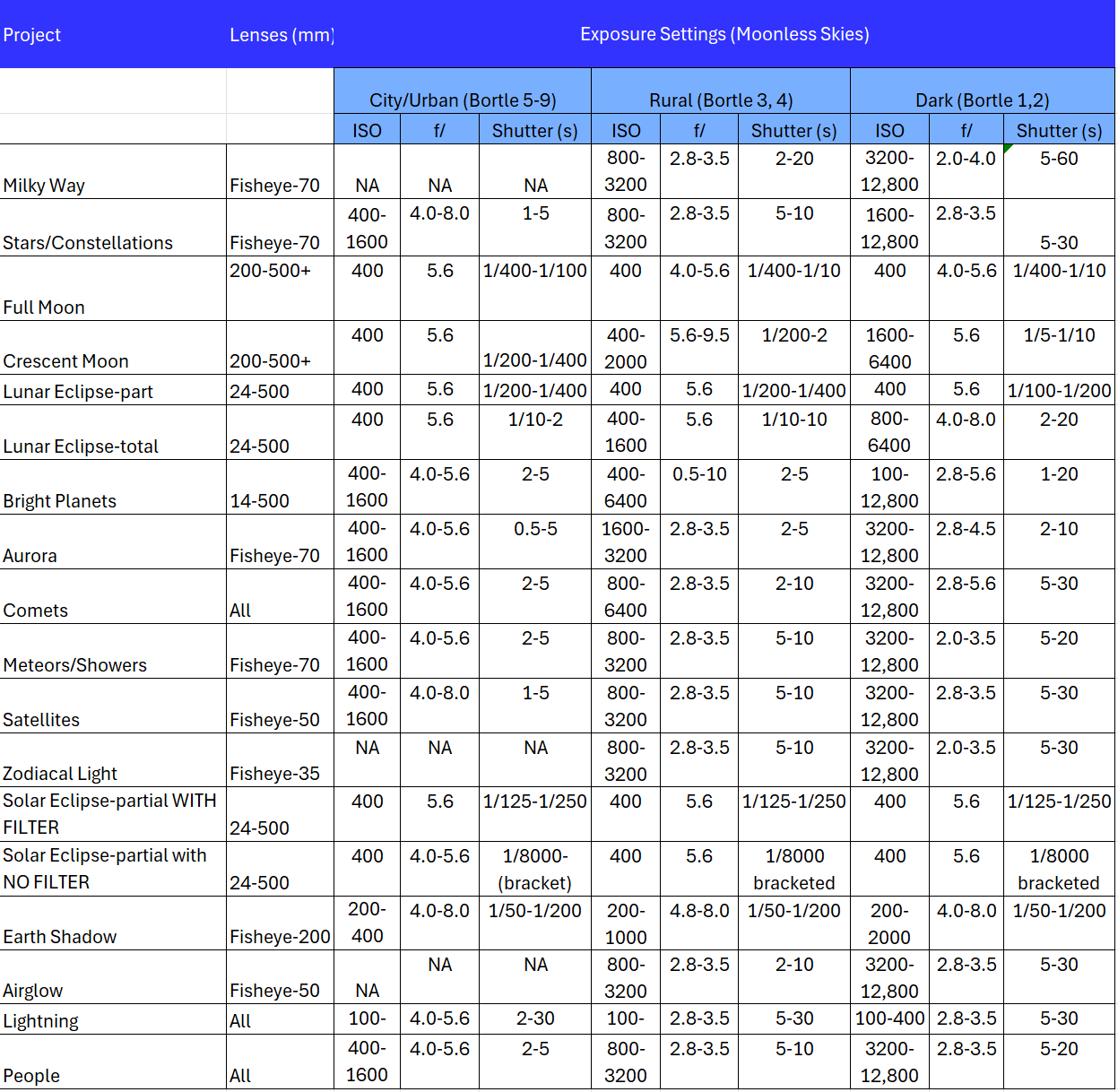
Exposure Settings and Lenses for Common Astro Projects
This chart is from THE BEGINNER’S GUIDE TO ASTROPHOTOGRAPHY by MIKE SHAW
-
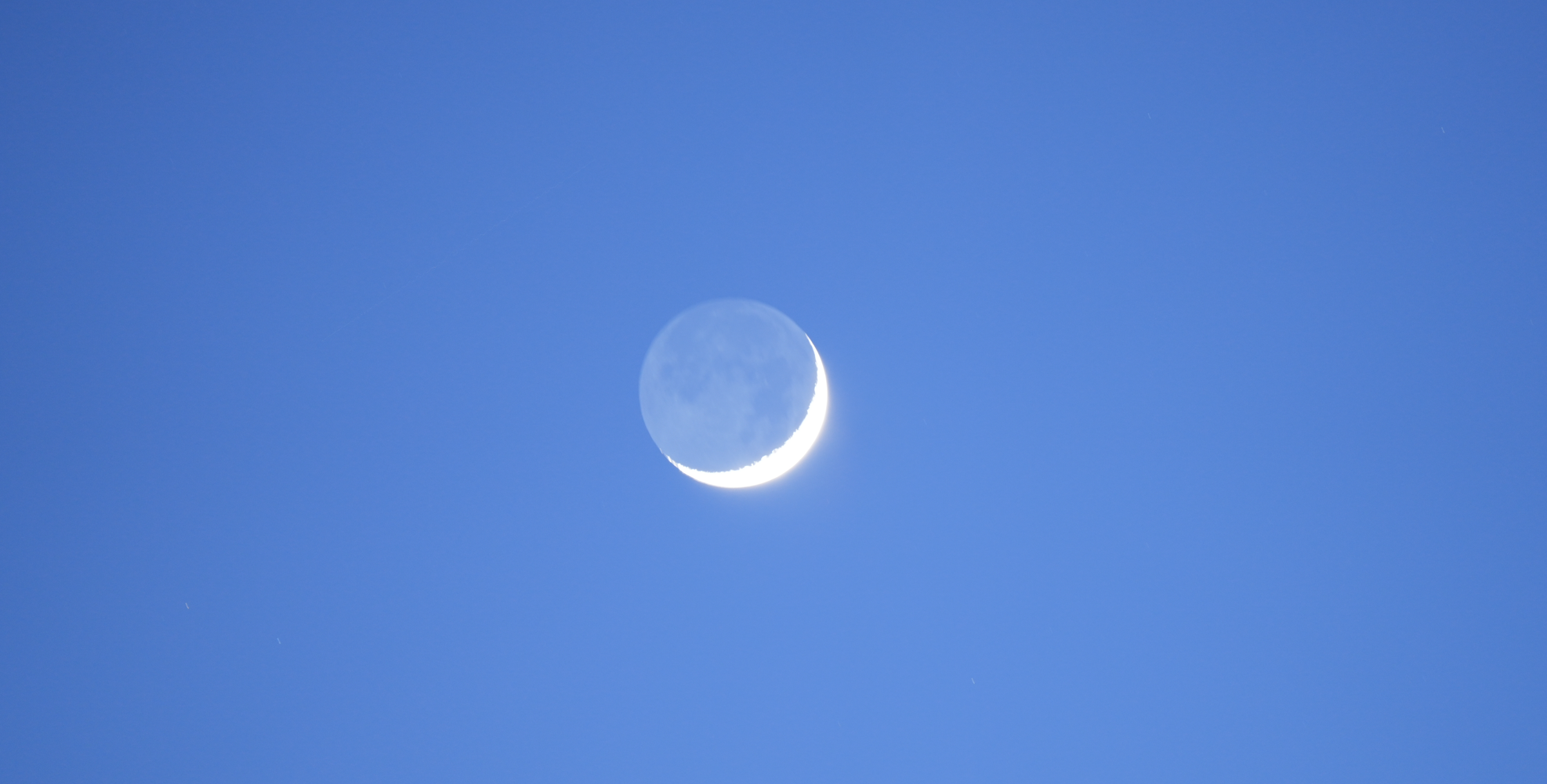
Moon Shot At 400mm
27 June 2025, 8:45 PM — Here’s a crescent moon, but you can see the entire moon with the aid of the 400mm lens. f/6.3, 4 second exposure, ISO-400. To get more detail in the moon, to see craters and such, I need to read up on proper ISO settings, exposure, all that good stuff.…
-
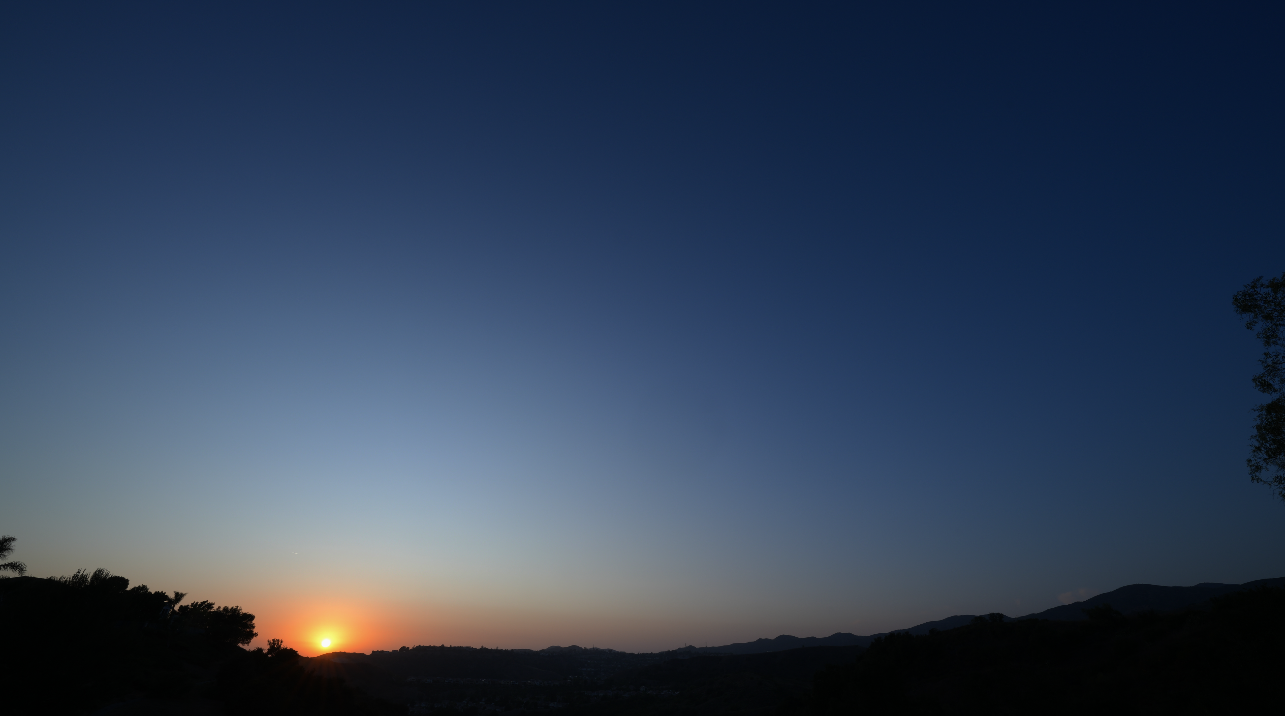
Daylight to Night Designation Timelapse
Everything below was typed up before I started shooting… there were problems with the power… and the shoot never went forward to completion. So… we will try this another day. 24 June 2025 — I set up the timelapse in the late afternoon about 5-ish with a clear view of the sun in the west.…
-
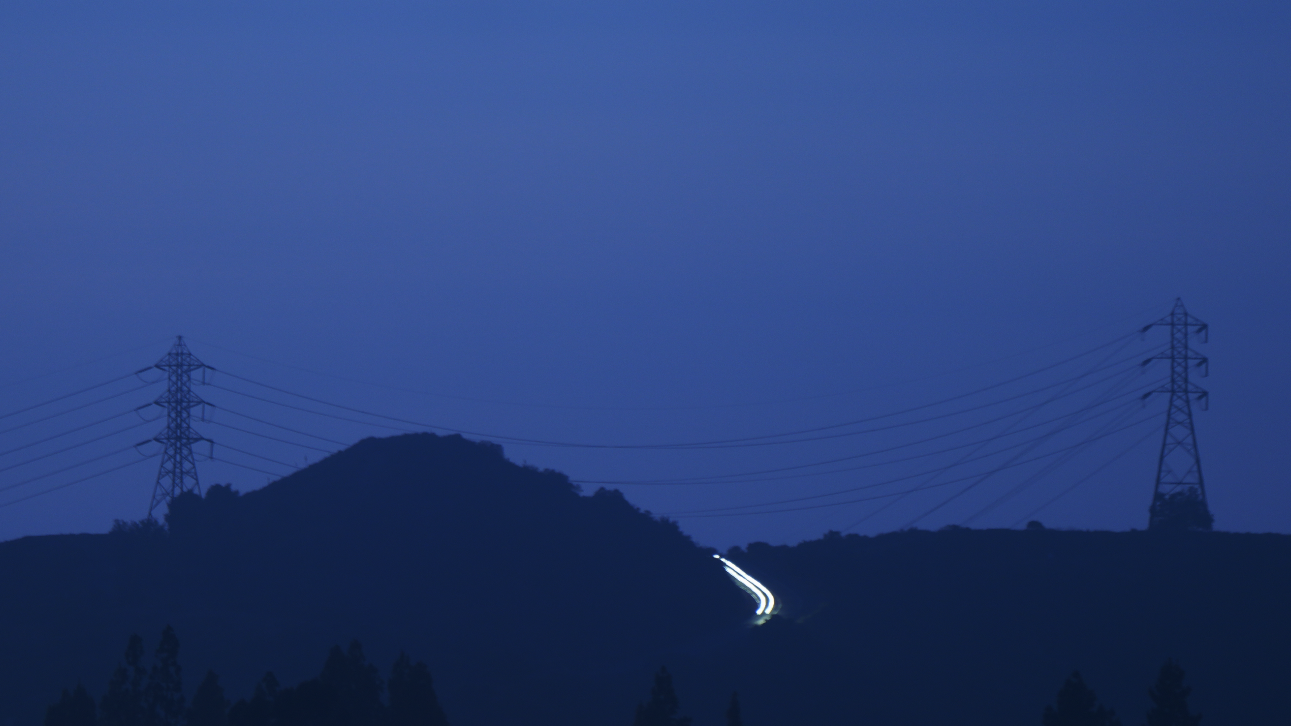
Modjeska Grade Timelapse Session Tonight
23 June 2025, 8:11 p.m. — Shooting in the finest JPEG quality on this timelapse, aimed at the Modjeska Grade, which from my vantage point comes down between two electrical high tension towers. Things should look interesting. Plan is to select frames from the shoot and describe them based on the time of day quality.…
-
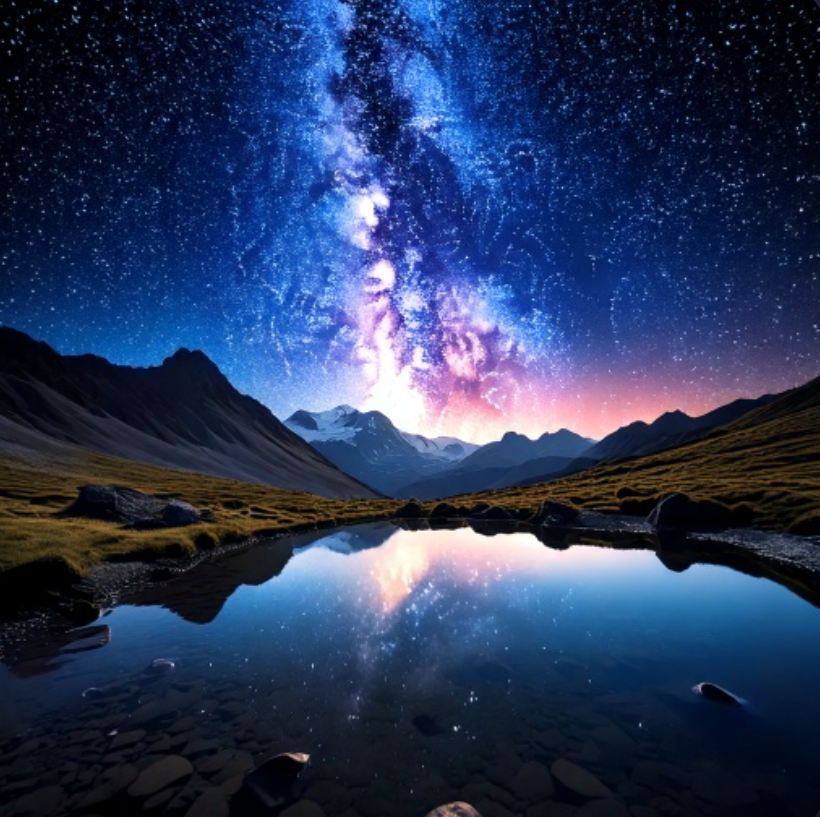
Is It Real or Is It AI
Because of the title, you know this is AI. But look how good it is. Not as good as the real thing, but for illustrative purposes, I’ll take this any day. Working together with AI for photography is probably one of the most creative ventures I’ve ever undertaken. Below is supposed to be Milky Way…
-
Golden Hour, Blue Hour, Twilight – Mastery
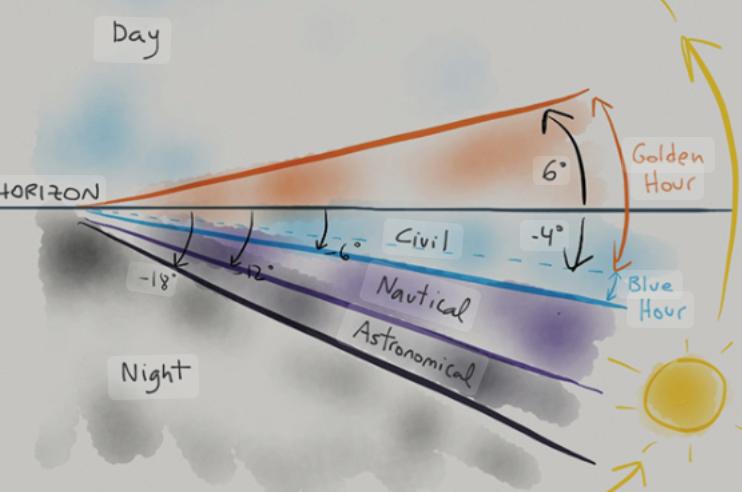
The available light from the Sun varies with the time of day. We can differentiate 7 periods of time: Other than Blue Hour, each can be divided into degrees based on the elevation angle, as follows: Daytime is greater than 6 degrees elevation angle.Nighttime is greater than negative 18 degrees. Finding the degrees is simple…
-
First Astro Session
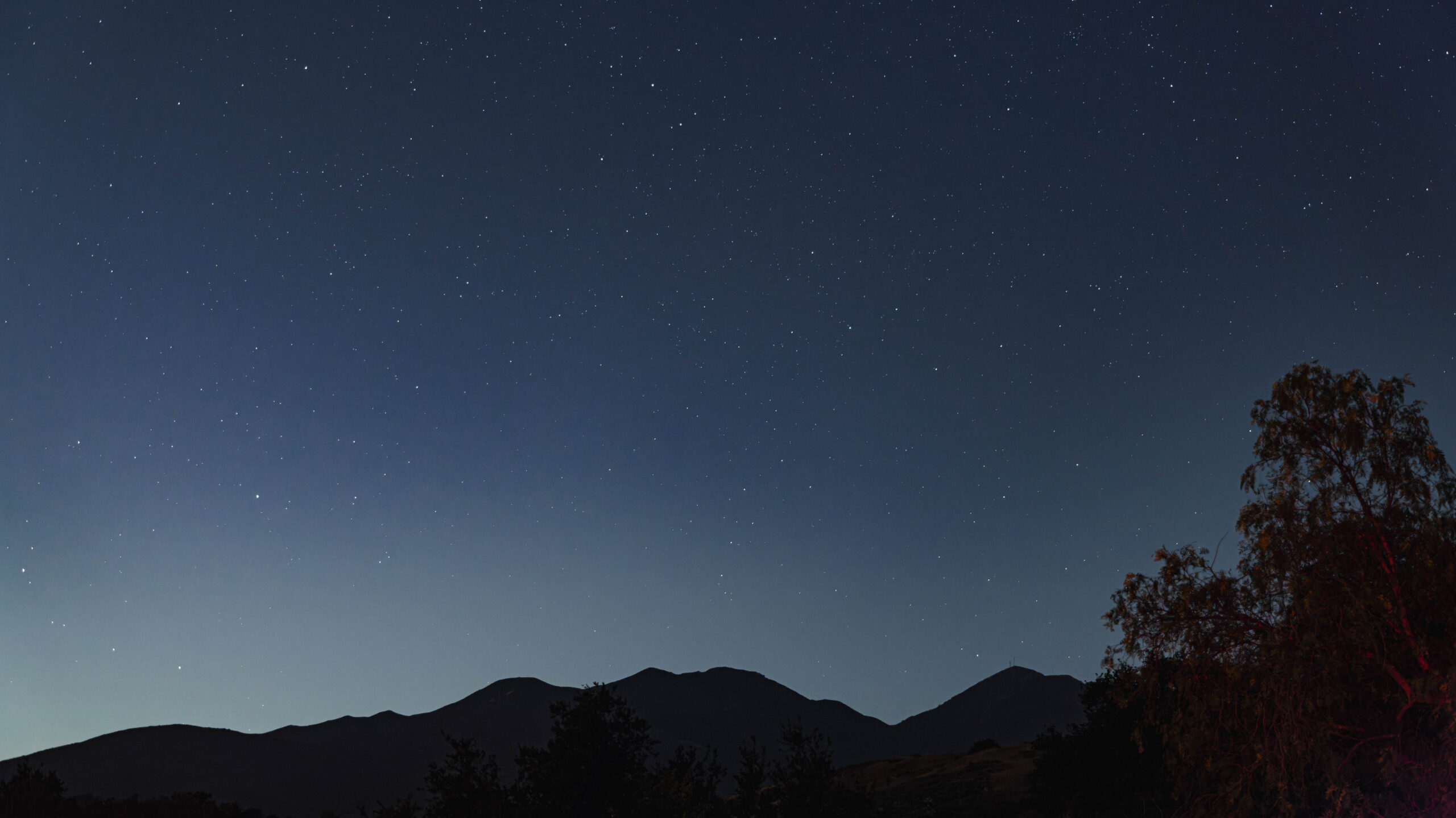
22 June 2025 Did a series of test exposures to see which combinstation of ISO and shutter speed yield the best appearance. Three shots at 12,800, 6400, 3200, and 1600. Shot length of 20, 10, and 5 seconds for each ISO. Looking for star trails, which is not what I want to see right now.…
-
Camera and Exposure Settings for Astro
File Format: Shoot in RAW White Balance: Set to Daylight or a Kelvin between 3800 and 4400. Never use Auto White Balance. Auto-ISO: Turn it OFF. Image Stabilization: OFF Noise Reduction: Turn off long exposure NR. Perform NR in post production. LCD Brightness: Dim the LCD to lowest level to save your night vision.