Author: Tom
-
How To Choose The Best Exposure Settings For Astrophotography
This is an exercise. Tip: Repeat this excercise with the same lens and different apertures, different lenses, or locations with different sky brightness. This will provide a solid basis for educated decisions on “best” exposure settings for each lens in different situations. NOTE: This seems to be overkill with the Sony. The exposure is almost…
-
Maximum Shutter Speeds Based on Rule of 300
Camera sensors have vastly improved since the “old days” of the Rule of 500. This was an early attempt to estimate the longest shutter speed for a specific focal length lens. You divide the number 500 by the focal length, and that’s your max shutter speed. For example 500 divided by a lens length of…
-
Histogram Notes
Understanding the camera’s histogram. The histogram shows how much of your image contains fregions of different brightness levels. Dark adapted eyes can fool you into thinking pictures are too bright when they’re not. Choose exposure setting so histogram is shifted as far to the right as possible without overexposing the sky or other bright subjects…
-
Celestial Coordinates
Recall that latitude and longitude are the coordinates used to locate objects on earth’s surface. Any point on earth can be identified by these coordinates. Astronomers use a similar system to map the sky, as follows: Declination and right ascension are the astronomical equivalents of latitude and longitude. Dec (Declination) = Latitude RA (right ascension)…
-
Viltrox DC-550 Pro Camera Monitor
To get full screen on the Viltrox, make sure HDMI settings in the camera are as follows: HDMI Resolution: Auto HDMI Info Display: Off CTRL FOR HDMI: Off Now you have the full image on the big screen with the menu items on the camera LCD. No menu items showing on the big screen, which…
-
Astrophotography: Two Types
There are two types of astrophotography: deep-sky and landscape. Deep Sky Astrophotography Landscape Astrophotography The celestial poles are directly above the earth’s north and south poles. The North Star is Polaris, and sits almost exactly at the north celestial pole. There is no “south star.” The celestial equator is simply the projection of the earth’s…
-
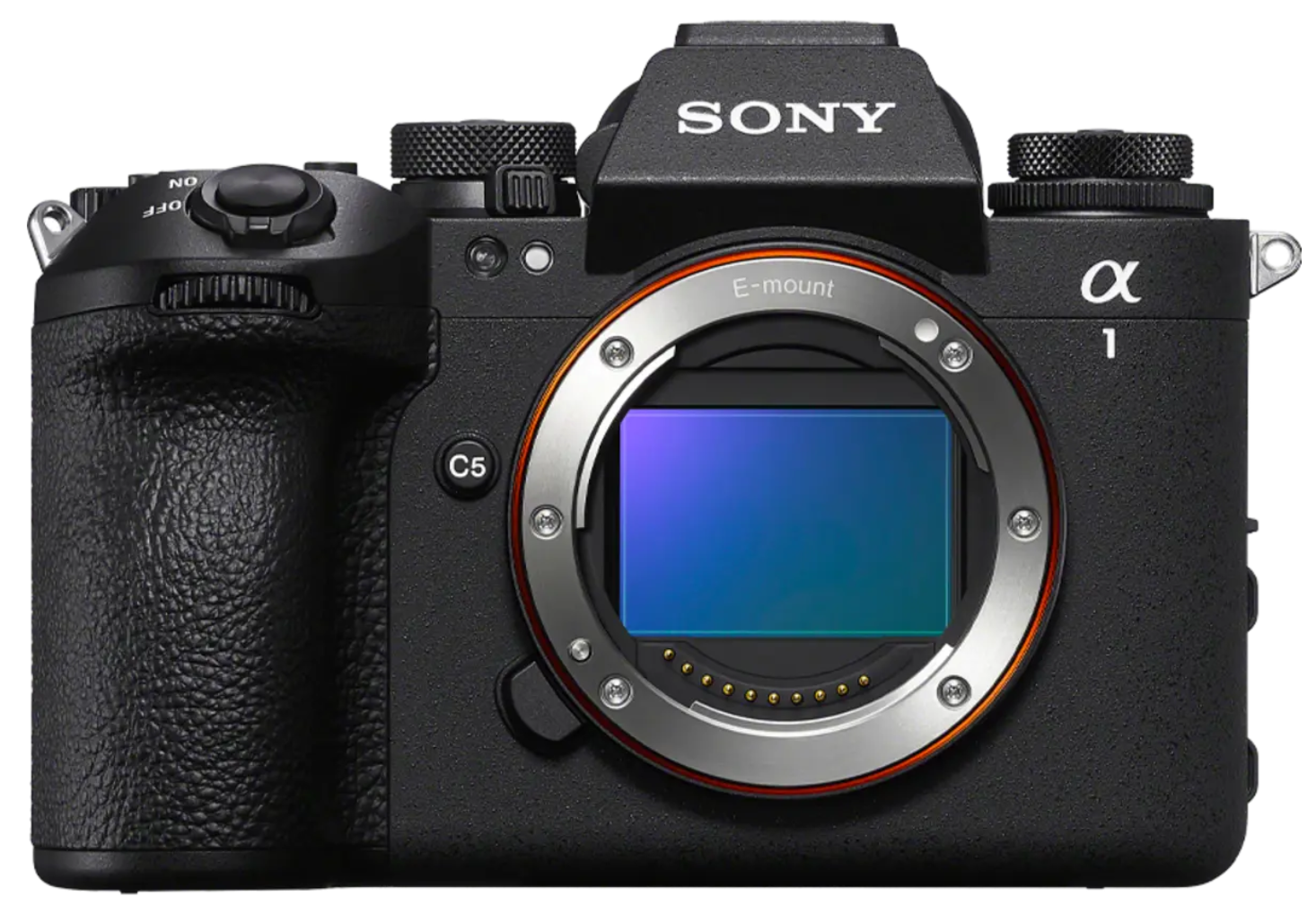
SONY A1 ii
This seems to me to be the very best camera in the Sony lineup. Since I am a dedicated Sony user with several lenses for the camera, I will not be switching to a different brand. The biggest deal about the A1ii is… everything. From photos to video, it just excels. No blackouts while shooting…
-
Shooting Stars
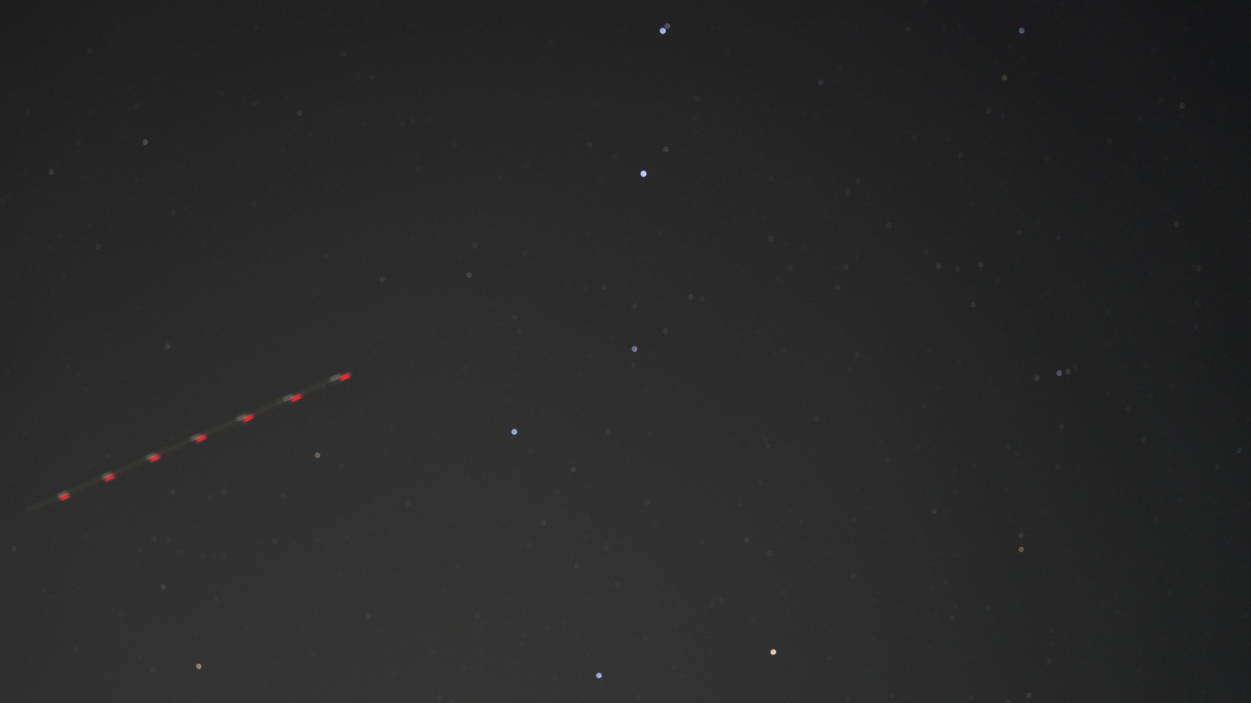
Tamron 50-400mm lens, f/4.5-6.3. Below was at 50mm. So far, shooting at 400mm is providing too much wobly in the stars. More testing needed. The red dots are a plane passing overhead. It was painful to get to this point, because I had left the camera on Auto Focus mode. Of course it couldn’t focus…
-
Milky Way Photography
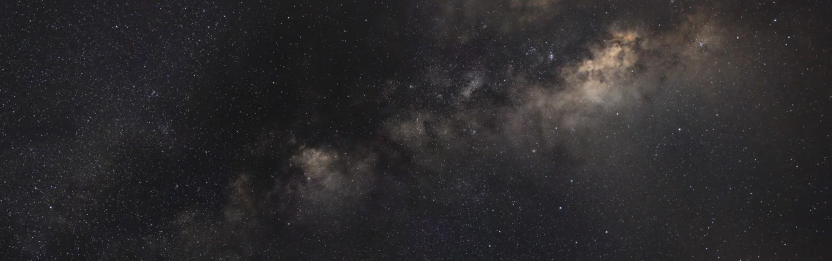
To capture the Milky Way or other star-studded field, set up the A7R5 as follows:
-
New Lens Today
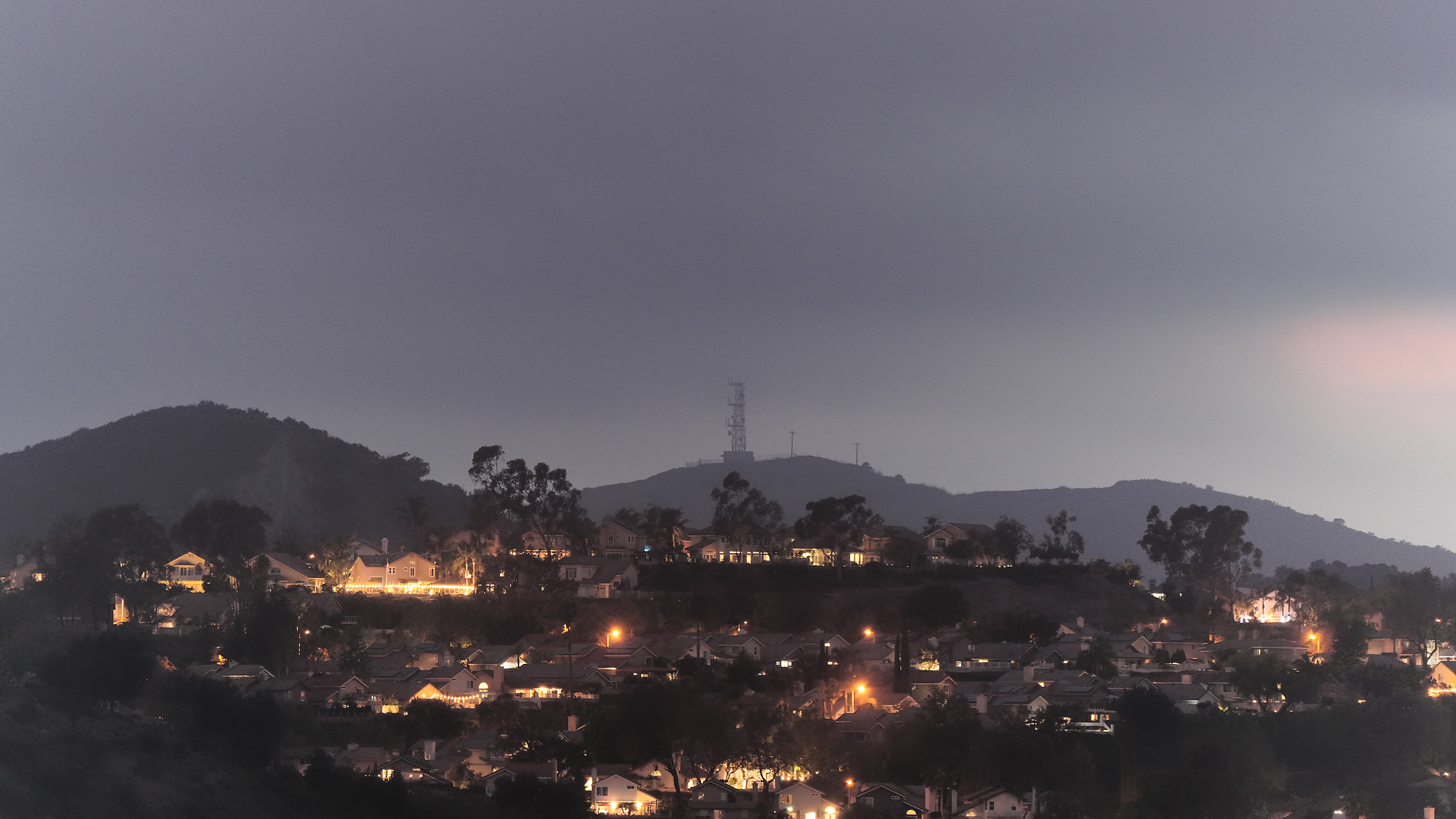
Picked up a Tamron 50-400mm F/4.5-6.3 Di III VC VXD today at OC Camera in Laguna Hills, CA. Reviews are very good. Tamron has stepped up its lens game since my first lenses from the maker obtained 15 years ago. I did it backwards. Bought the lens, then studied the reviews. I’m glad I made…